FAQ
What is the min charge?
Our minimum charge starts from $60. No job is too small.
Do you bring tools?
Yes, we come fully equipped with drills, ladders and tools.
Can you install TV brackets, curtain rods and shelves?
Yes, we handle drilling, mounting and installation for most home fixtures.
Can I get a quote via WhatsApp?
Yes, send photos/videos and your address to get a faster estimate.
What warranty do you provide?
Handyman and general repair workmanship is covered for 90 days under our
Warranty & Refund Policy. Parts and fittings follow the manufacturer warranty.
Serangoon: Request a Handyman Quote
Not sure what your handyman job in Serangoon involves? Send pictures and your unit type, and we will confirm scope and cost before any work starts.
Typical Scope
These are the handyman jobs we most often handle in Serangoon.
- Drilling & mounting
- TV bracket / wall mount installation
- Furniture assembly (IKEA)
- Wardrobe assembly / installation
Get a Clearer Quote Faster
Compare Quotes With These In Mind
- Send one full task list instead of booking item by item.
- Say which walls, doors, shelves or furniture pieces are involved.
Recent Example
Serangoon Case 1: Wet-area reseal and shelf fixing
Problem:Older silicone lines and one loose wall-mounted item were both bothering daily use.
Action:Reseal the key wet area and refix the affected item in the same visit.
Result:Daily use felt cleaner and more secure after handover.
Site Proof Photos Before Quote
Real photos and short clips help us confirm access, measurements, materials and whether a site visit is needed before quoting this handyman work.
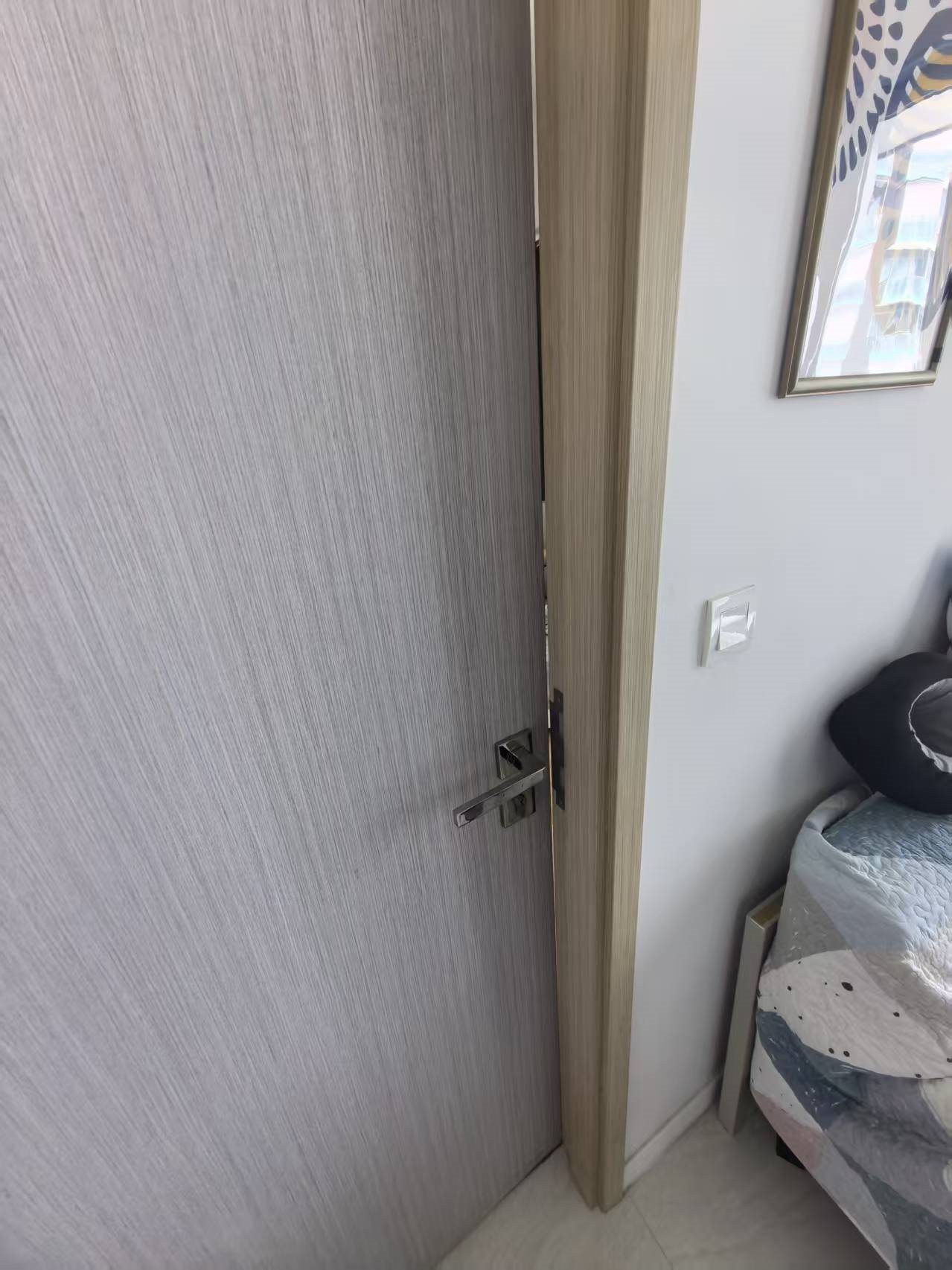
Photo reference
Compare real site condition, access points and visible constraints before booking the next step.
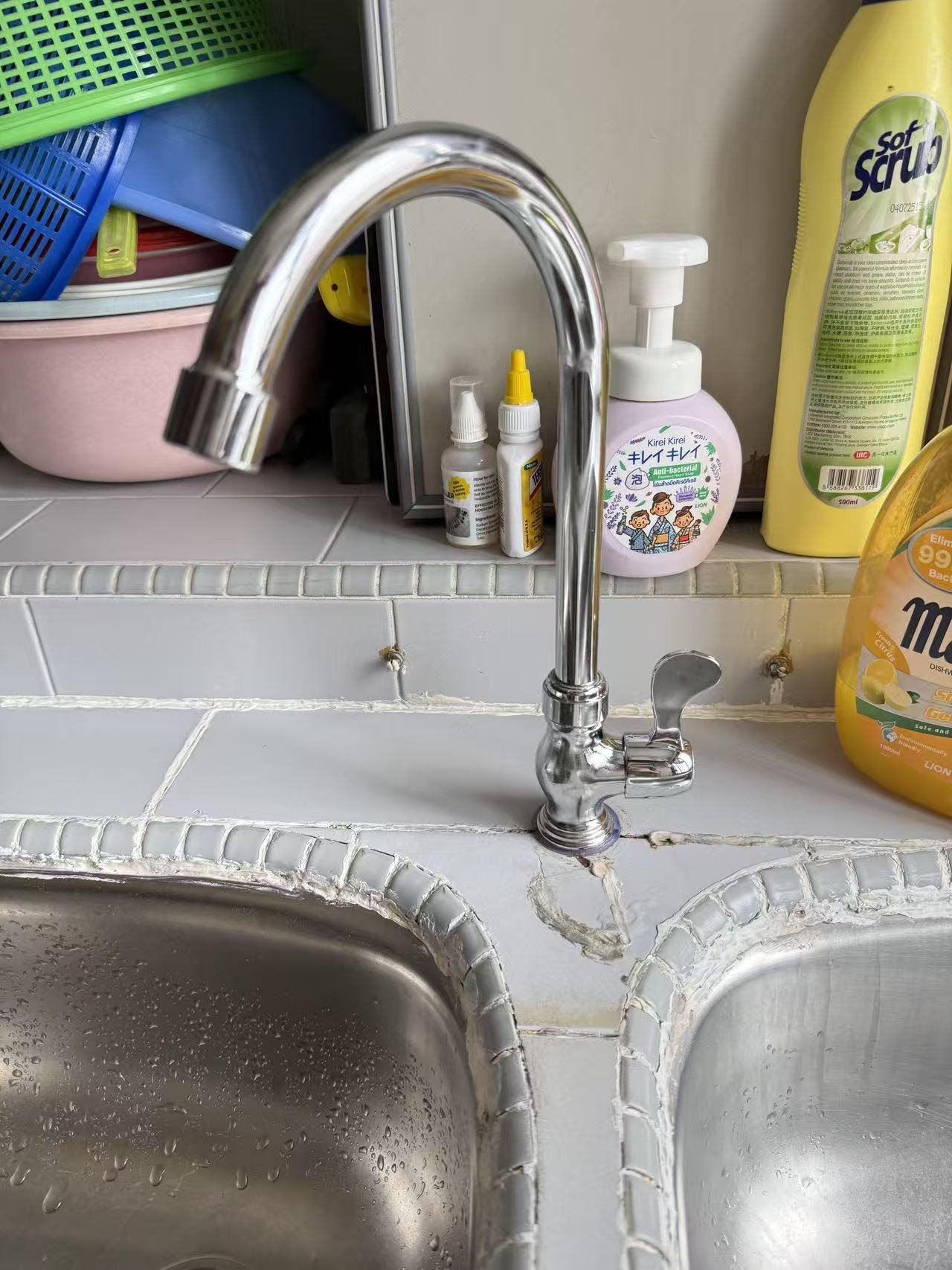
What to send first
Send a wide room view, close-up issue photos and the full address so the quotation can be checked faster.
Handyman Service Across Serangoon
FixMove covers the whole of Serangoon - including Lorong Chuan, Seletar Hills, Serangoon Central, Serangoon Garden, Serangoon North, Serangoon North Ind Estate, Upper Paya Lebar. Older HDB blocks and newer condos sit side by side here, so unit access and servicing needs differ across the estate.
Nearest MRT references include Bartley, Serangoon. Share your block and nearest MRT when you WhatsApp us for a faster slot.
All FixMove services across Singapore
One team for plumbing, electrical, aircon, renovation, customization, handyman, installation and moving — island-wide.
Home Repair & Handyman
Main islandwide page for this service. Useful when you want broader pricing, scope and coverage.
Renovation
Open this when the checklist is really handover rectification, old-home touch-ups or wider room-upgrade work instead of mixed small fixes.
Custom Built-ins
Useful when storage, cabinetry or built-ins are becoming the real budget driver behind the handyman request.
Plumbing Services
Toilet choke, leaking tap, pipe leak and water heater work.
Electrical Repair
Power trip, socket repair, lighting, fan and point troubleshooting.
Aircon Servicing
Not cold, leaking, chemical wash, gas checks and repair.
Installation Service
TV mount, curtains, appliances, racks and lock installation.
Moving Service
House moving, lorry, packing, dismantling and disposal coordination.
Serangoon homes: what local housing means for a service visit
Serangoon in North-East Singapore is a genuinely mixed town. Around Serangoon Central and the NE12/CC13 interchange you get established HDB blocks and newer mixed-use towers, while Serangoon Garden and Seletar Hills are long-settled landed enclaves of terrace houses and bungalows. Lorong Chuan and the Bartley (CC12) corridor add a band of private condominiums, so housing age and layout vary block to block.
That variety shapes any home visit. Landed homes in the Gardens and Seletar Hills are often decades old, multi-storey, with their own gates, driveways and a wide spread of older and renovated fittings under one roof. Condos near Lorong Chuan and Bartley are newer and more uniform, but bring guardhouse registration, visitor parking limits and service-lift booking that your technician should plan around.
The HDB stretches around Serangoon Central and Upper Paya Lebar sit close to the interchange and Serangoon Garden's busy food and shop rows, so on-street parking and loading bays fill up quickly. Sharing the unit type, building age and rough floor area when booking lets the visiting tradesperson arrive with the right access plan and equipment.
- Landed homes in Serangoon Garden and Seletar Hills are older and multi-storey - flag stairs, gate access and any mix of original and upgraded fittings in advance.
- Condos near Lorong Chuan and Bartley (CC12) usually need guardhouse sign-in, a registered vehicle and a booked service lift; confirm these before the visit.
- HDB flats around Serangoon Central and Upper Paya Lebar are close to the NE12/CC13 interchange, where lift-lobby and corridor access is straightforward but parking is tight.
- Street and loading space near Serangoon Garden's shop and food rows fills fast - give the visiting tradesperson a clear drop-off or unloading point.
- Note unit type, building age and storey count when booking so your technician brings ladders, parking arrangements and the right approach for older versus newer homes.
Handyman jobs in Serangoon: local access and booking notes
Serangoon is a planning area in Singapore's North-East region, made up of 7 subzones. Addresses here fall under District 08 (Little India, Jalan Besar), District 13 (Potong Pasir, MacPherson) and District 19 (Hougang, Sengkang, Punggol); the postal sectors mapped to those districts are 20, 21, 34, 35, 36, 37, 53 and 54 and 2 more. Streets recorded for those districts include Upper Serangoon Road and Serangoon North Avenue 1.
The MRT reference points for Serangoon are Serangoon (NE12/CC13), Bartley (CC12) and Lorong Chuan (CC14). That puts the area on the Circle Line and North East Line. Serangoon is an interchange between the Circle Line and North East Line.
Handyman jobs here tend to arrive in bundles: something to hang, something loose to tighten, something that no longer closes properly. Grouping them into a single visit is usually easier than booking each one separately, and a photo of each spot removes most of the guesswork.
What to send us about your handyman job in Serangoon:
- The full task list in one message, so everything can be planned as a single visit
- What each fixing goes into: concrete, brick, tile, or a hollow partition wall
- The weight and size of anything being mounted, and whether you already have the brackets or fittings
- Your block or building number plus the nearest of those stations (Serangoon), so we can place your address straight away