FAQ
Do you provide same-day installation in Singapore River?
Yes, same-day slots are available depending on schedule and travel time. WhatsApp us your address and item list so we can confirm the next available slot.
What items can you install?
Appliances, fixtures and furniture: washing machines, dishwashers, cooker hoods, curtain rods/blinds, TV mounts, shelves, bathroom accessories, digital locks and more.
Do you bring drills, ladders and anchors?
Yes. Share wall type (tile/concrete/brick/drywall) and photos so we can bring the right bits and anchors.
Do you handle plumbing/electrical connections?
Yes. For items that require plumbing or electrical work, we coordinate the right technician and confirm the scope onsite.
What warranty do you provide?
General handyman-scope installation workmanship is covered for 90 days under our
Warranty & Refund Policy. Door/lock installation and aircon installation are covered for 12 months; the lock or unit itself follows the manufacturer warranty.
Singapore River: Request an Installation Quote
Not sure what your installation job in Singapore River involves? Send pictures and your unit type, and we will confirm scope and cost before any work starts.
Typical Scope
These are the installation jobs we most often handle in Singapore River.
- Washing machine / dryer / washer-dryer installation
- Dishwasher installation
- Cooker hood / kitchen hob / oven installation
- TV wall mount / bracket installation
Get a Clearer Quote Faster
Compare Quotes With These In Mind
- Share the model/spec, wall type and installation height first.
- Tell us if there are multiple items to install in one trip.
Recent Example
Singapore River Case 1: Washer/dryer stack setup
Problem:Utility spacing was workable but tight for hose and power access.
Action:Re-check clearance, align the stack kit and secure the appliance positions before test run.
Result:The pair fit safely with cleaner access for daily use.
Site Proof Photos Before Quote
Real photos and short clips help us confirm access, measurements, materials and whether a site visit is needed before quoting this installation work.
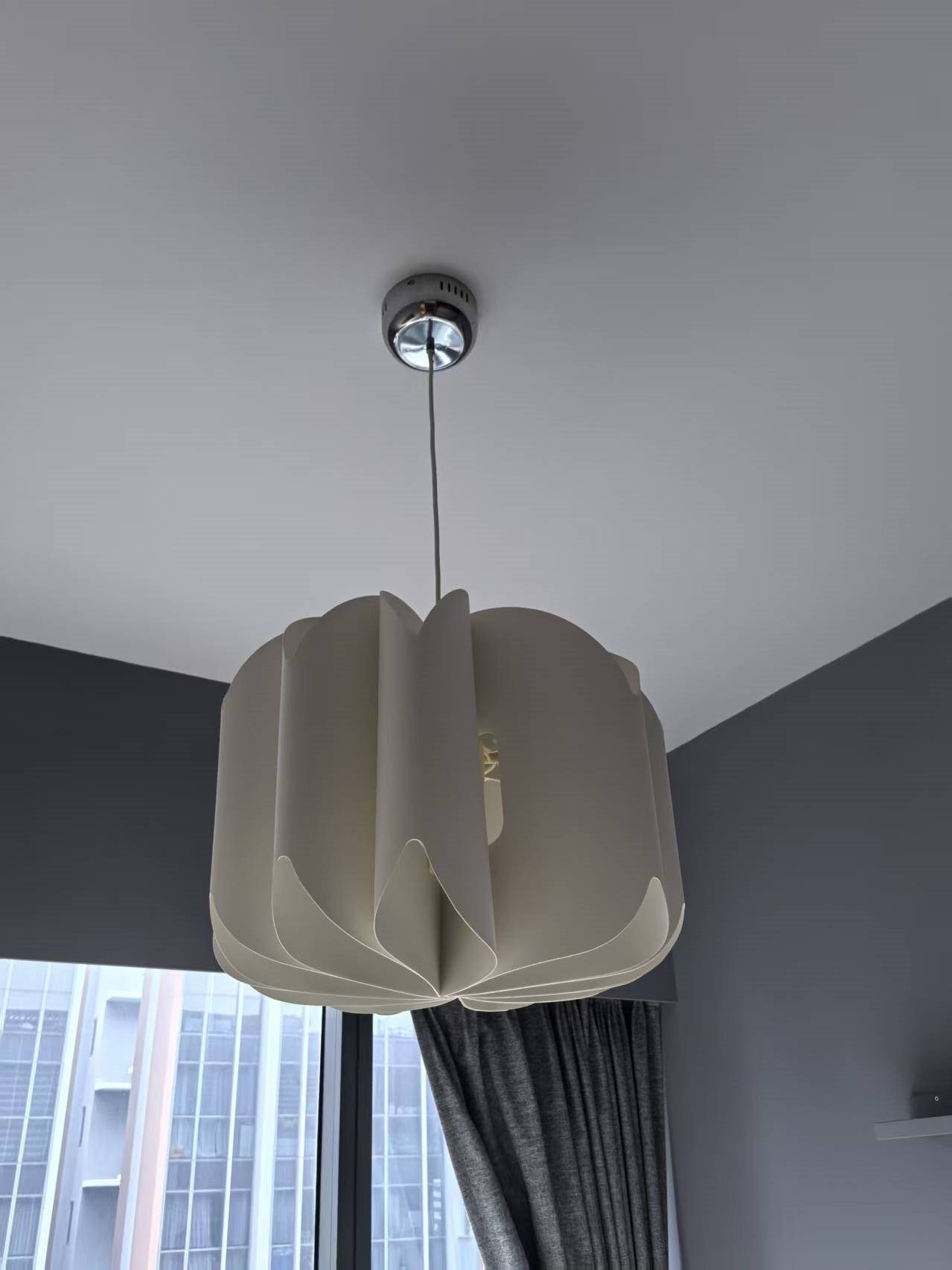
Photo reference
Compare real site condition, access points and visible constraints before booking the next step.
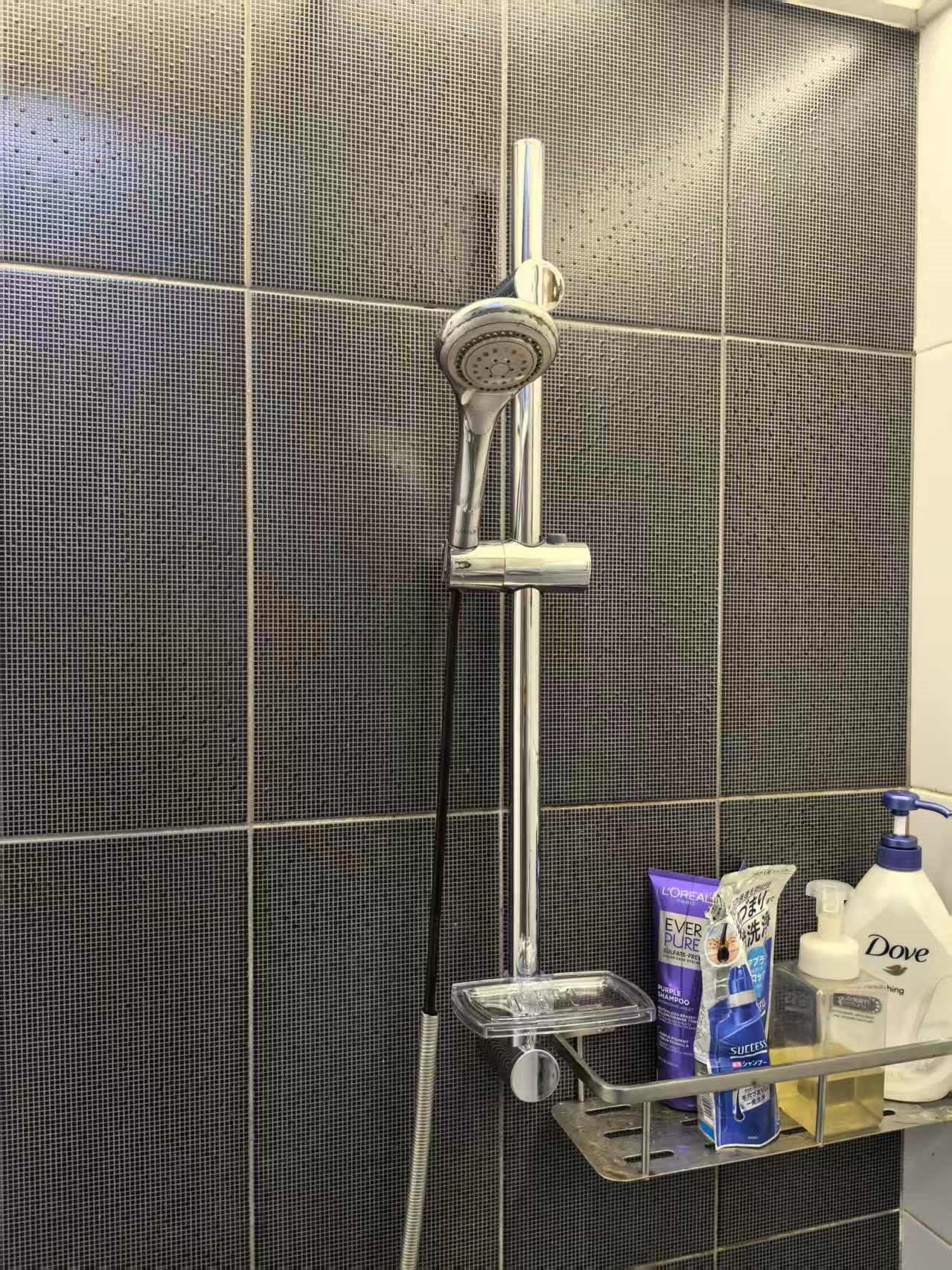
What to send first
Send a wide room view, close-up issue photos and the full address so the quotation can be checked faster.
Installation Service Across Singapore River
FixMove covers the whole of Singapore River - including Boat Quay, Clarke Quay, Robertson Quay. Older HDB blocks and newer condos sit side by side here, so unit access and servicing needs differ across the estate.
Nearest MRT references include Fort Canning. Share your block and nearest MRT when you WhatsApp us for a faster slot.
All FixMove services across Singapore
One team for plumbing, electrical, aircon, renovation, customization, handyman, installation and moving — island-wide.
Installation Service
Main islandwide page for this service. Useful when you want broader pricing, scope and coverage.
Renovation
Open this when installation is now part of a TV wall, room refresh, kitchen upgrade or broader renovation sequence.
Custom Built-ins
Useful when the install depends on cabinetry, built-in storage, TV-console planning or concealed routing details.
Home Repair & Handyman
Drilling, lock replacement, mounting and mixed small works.
Plumbing Services
Toilet choke, leaking tap, pipe leak and water heater work.
Electrical Repair
Power trip, socket repair, lighting, fan and point troubleshooting.
Aircon Servicing
Not cold, leaking, chemical wash, gas checks and repair.
Moving Service
House moving, lorry, packing, dismantling and disposal coordination.
A S$10 fuel surcharge applies to every visit. No additional standard call-out or inspection fee applies. Urgent service or a customer-requested appointment time adds one S$30 fee, subject to technician availability and confirmation. The S$30 is a separate service fee. Pricing terms.
Singapore River homes: what local housing means for a service visit
Singapore River is a central conservation district built around three riverside quays - Boat Quay, Clarke Quay and Robertson Quay - and served by Fort Canning MRT (DT20). Homes here lean heavily towards restored shophouses and upscale riverfront condominiums rather than HDB blocks, so the housing stock is a mix of older heritage buildings and newer high-rise developments.
The conservation shophouses are narrow, often span two or three floors, and have older structural features and fittings that need careful handling. Many have been converted into apartments or live-work units, so room counts and internal layouts vary a lot from one address to the next, and the visiting tradesperson usually needs the unit number and floor confirmed in advance.
The newer condos along the river run to higher floors with managed lobbies, lifts and security. Access, loading bays and contractor sign-in are typically controlled by the building's management, so booking a service window and clearing entry ahead of time keeps the visit smooth - especially in the busier stretches near the quays.
- Confirm building type up front: a heritage shophouse and a riverside condo need very different access planning, so tell us which one your address is.
- For condos, check management rules early - many require contractor registration, fixed loading bays and booked lift access before your technician arrives.
- Shophouse units often have narrow staircases, tight internal access and no dedicated lift; flag this so the visiting tradesperson brings suitable equipment.
- Older shophouse fittings differ from newer condo installations; share the building age and photos of existing fittings to speed up the assessment.
- Parking near the quays is limited and largely paid or restricted; share your block, floor and nearest entry point so loading and arrival can be planned.