FAQ
Do you handle urgent plumbing in Chinatown?
Yes. Share your address and a short video or photo of the choke or leak so we can confirm the next available slot.
How much to clear a toilet choke?
Prices start from $80 depending on severity. We quote before work.
Do you charge an inspection fee in Chinatown?
A S$10 fuel surcharge applies to every visit. No additional standard call-out or inspection fee applies. Urgent service or a customer-requested appointment time adds one S$30 fee, subject to technician availability and confirmation. The S$30 is a separate Priority Service fee.
Do you fix leaking pipes and taps for HDB/Condo?
Yes, we repair leaking taps, pipes and valves for HDB, condo and landed homes.
What warranty do you provide?
Workmanship on non-regulated plumbing — taps, P-traps and simple choke clearance — is covered for 90 days under our
Warranty & Refund Policy. PUB-regulated work (water supply, water-heater install, sanitary plumbing) is covered for 12 months. Parts follow the manufacturer warranty.
Get a Plumbing Quote in Chinatown
Send photos and your postal code for a plumbing quote in Chinatown — we confirm the scope and the price with you before any work starts.
Typical Scope
These are the plumbing jobs we most often handle in Chinatown.
- Toilet bowl choke clearing
- Drain choke clearing (bathroom/kitchen)
- Kitchen sink repair / replacement
- Sink installation & tap replacement
Get a Clearer Quote Faster
Compare Quotes With These In Mind
- Recurring toilet or kitchen leaks usually need a broader fix than a one-off patch.
- If cabinet removal, floor trap work or waterproofing may be involved, say it upfront.
Recent Example
Chinatown Case 1: Floor-trap backflow and odour
Problem:Drain smell and light backflow appeared after heavier use.
Action:Open the trap path, clear buildup and re-check water seal behaviour.
Result:Odour and backflow risk were brought back under control.
Site Proof Photos Before Quote
Real photos and short clips help us confirm access, measurements, materials and whether a site visit is needed before quoting this plumbing service.
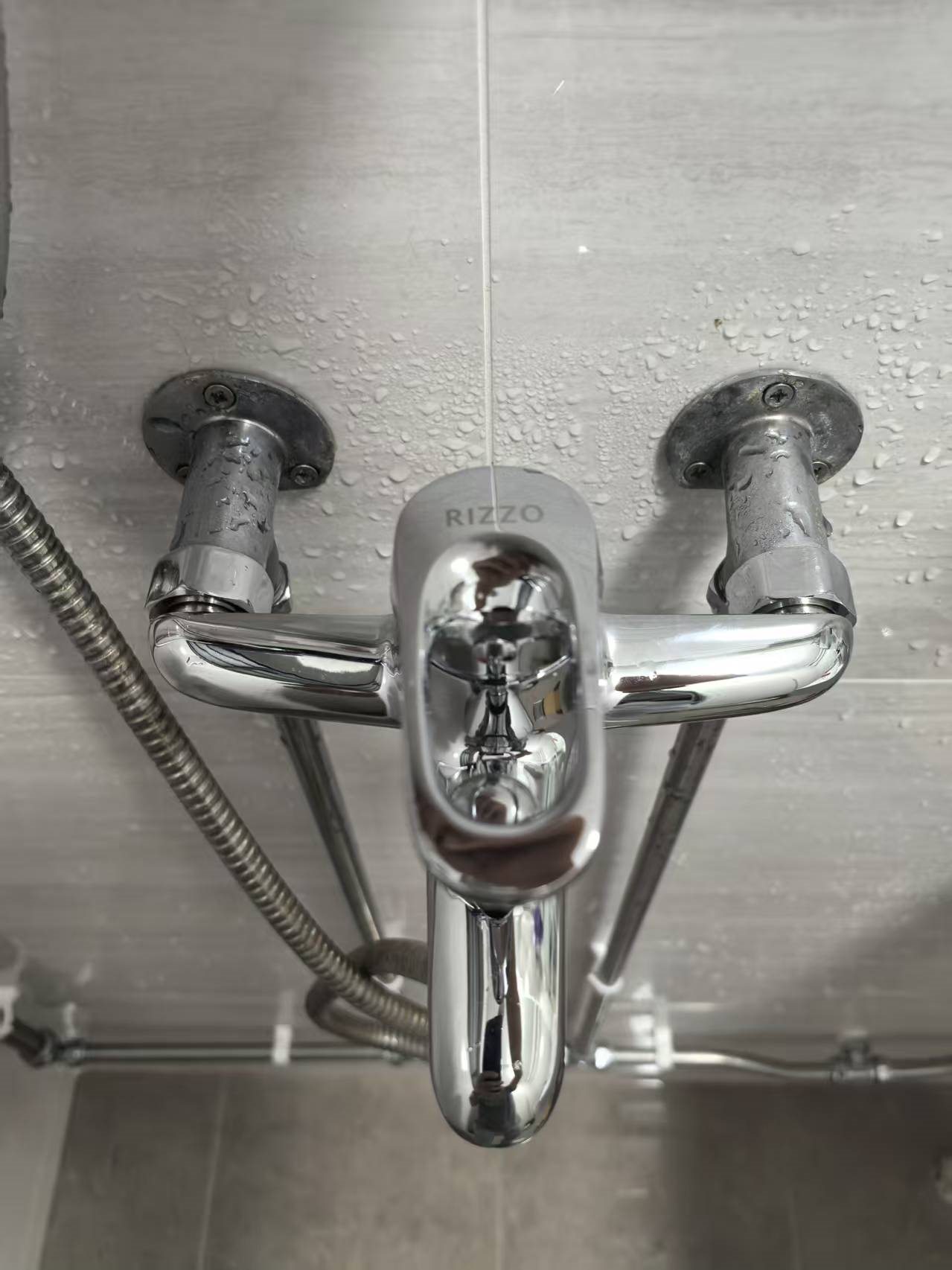
Photo reference
Compare real site condition, access points and visible constraints before booking the next step.
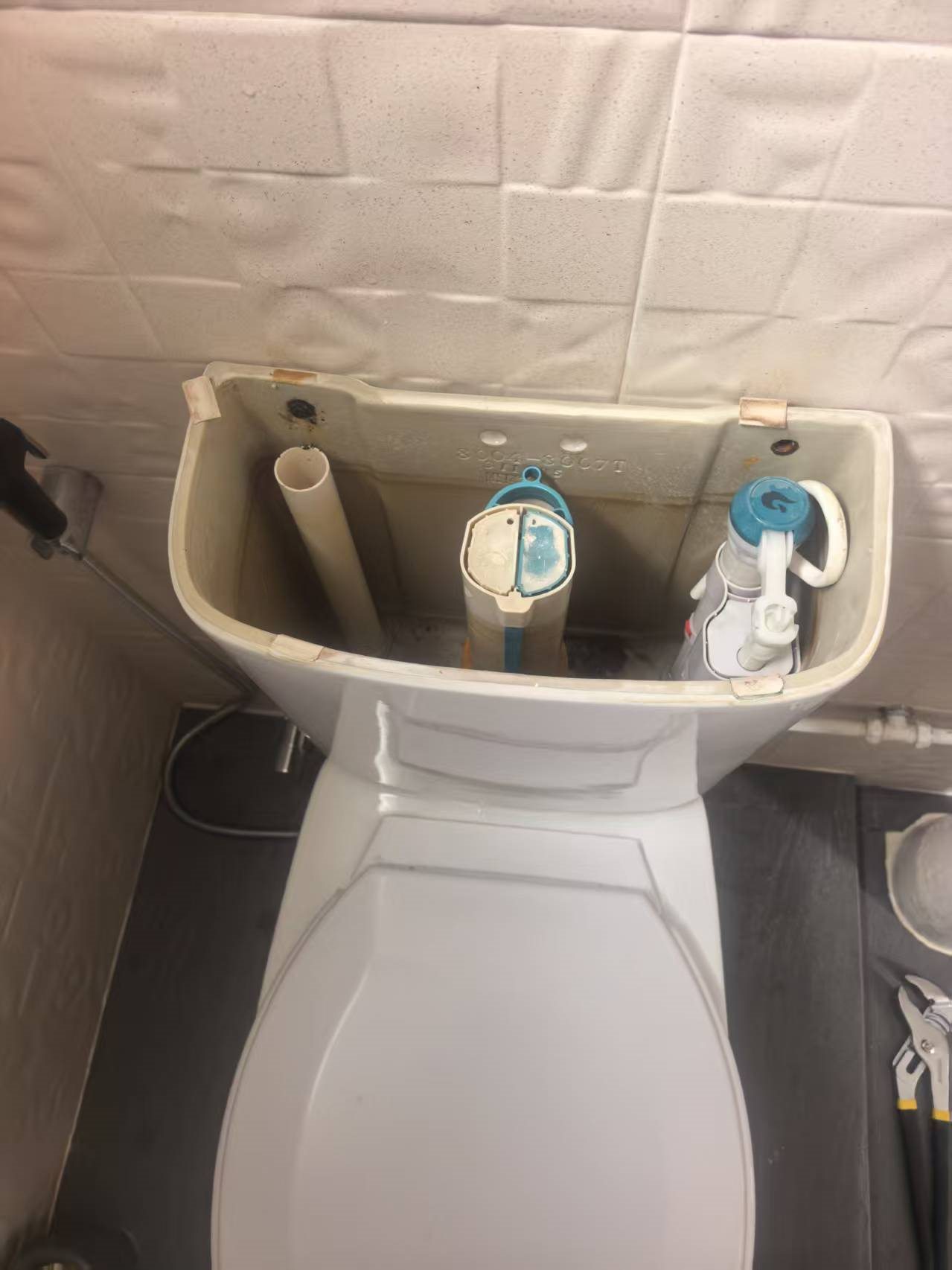
What to send first
Send a wide room view, close-up issue photos and the full address so the quotation can be checked faster.
Plumbing Service Across Chinatown
Chinatown sits within the Outram area; FixMove serves it together with the surrounding estates and adjusts for block type and access on arrival.
Nearest MRT references include Chinatown, Maxwell. Share your block and nearest MRT when you WhatsApp us for a faster slot.
All FixMove services across Singapore
One team for plumbing, electrical, aircon, renovation, customization, handyman, installation and moving — island-wide.
Plumbing Services
Main islandwide page for this service. Useful when you want broader pricing, scope and coverage.
Renovation
Open this when repeated leaks, choke issues or fixture failures are expanding into bathroom rebuilding, waterproofing or kitchen hacking.
Custom Built-ins
Useful when the wet-area job now depends on vanity, kitchen cabinet or other built-in carpentry planning.
Home Repair & Handyman
Drilling, lock replacement, mounting and mixed small works.
Electrical Repair
Power trip, socket repair, lighting, fan and point troubleshooting.
Aircon Servicing
Not cold, leaking, chemical wash, gas checks and repair.
Installation Service
TV mount, curtains, appliances, racks and lock installation.
Moving Service
House moving, lorry, packing, dismantling and disposal coordination.
Working in Chinatown homes: what your technician should know
Chinatown is one of Singapore's older central districts, where conserved low-rise shophouses sit alongside more recent residential blocks and mixed-use developments. This blend means homes here range widely in age and layout, so the visiting tradesperson may meet anything from heritage fittings in a narrow shophouse upper floor to standard fixtures in a newer unit.
Many residences sit above or beside busy street-level shops and food outlets, so access often runs through shared entrances, back lanes or upper-storey stairs rather than a simple lift lobby. Sharing the unit type, floor and how to reach the front door when you book helps your technician arrive with the right approach and equipment.
Because the area is dense and largely conserved, parking and loading can be tight, and some older buildings have compact corridors and steep internal stairs. Flagging these details early lets the tradesperson plan timing, carry-in routes and the tools suited to both older and newer fittings.
- Note whether your home is a conserved shophouse unit or a newer block, since building age affects the fittings and access your technician should expect.
- Confirm the floor and how to reach your door, as some units are reached by internal or shared stairs rather than a lift.
- Mention if entry is via a shared, back-lane or above-shop entrance so the tradesperson knows where to go on arrival.
- Warn about tight street parking and limited loading space so the visiting tradesperson can plan carry-in and timing.
- Give the number of rooms or units to be worked on so the right tools and materials are brought for older or newer fittings.
Plumbing jobs in Chinatown: local access and booking notes
Chinatown is one of the 4 subzones inside the Outram planning area, in Singapore's Central region. Addresses here fall under District 02 (Tanjong Pagar, Chinatown); the postal sectors mapped to that district are 07 and 08.
The MRT reference points for Chinatown are Chinatown (NE4/DT19) and Telok Ayer (DT18). That puts the area on the Downtown Line and North East Line. Chinatown is an interchange between the Downtown Line and North East Line.
Plumbing calls here are mostly chokes, drips and leaks that have been building quietly for a while. Which floor you are on, which fixture is affected, and whether the wet patch shows on a wall, a ceiling or the floor tells us a great deal before anyone travels out.
What to send us about your plumbing job in Chinatown:
- Where the water appears: ceiling, wall, floor, or at the fixture itself
- Whether it leaks constantly or only when a tap, cistern or appliance runs
- Which floor you are on, and whether you can shut off supply at your own valve
- Your block or building number plus the nearest of those stations (Chinatown), so we can place your address straight away