FixMove provides renovation contractor support in Simpang for HDB, condo, landed and commercial projects. HDB BTO renovation starts from S$25K, resale from S$32K, condo from S$35K and office from S$40 psf. Share floor plan and photos.
A S$10 fuel surcharge applies to every visit. No additional standard call-out or inspection fee applies. Urgent service or a customer-requested appointment time adds one S$30 fee, subject to technician availability and confirmation. The S$30 is a separate service fee. Pricing terms.
Fast ResponseUpfront QuoteTransparent PricingIslandwide
FAQ
Do you handle HDB permits?
Yes, we handle all HDB/Condo management applications for you.
Is there a warranty?
Renovation workmanship — carpentry, painting and tiling — is covered for 12 months under our Warranty & Refund Policy. Materials and hardware follow the manufacturer warranty.
How long does a toilet renovation take?
Typically 7-14 days depending on scope, materials and permit schedule.
Do you provide onsite measurement and quotation in Simpang?
Yes, we can arrange a site visit to measure and provide a clear quotation.
Typical Scope
These are the renovation jobs we most often handle in Simpang.
Whole house renovation / full home renovation
Toilet / bathroom renovation
Kitchen cabinet & carpentry
Built-in wardrobe carpentry
Get a Clearer Quote Faster
Compare Quotes With These In Mind
Lock the must-have scope room by room before comparing optional upgrades.
State whether the unit is vacant or occupied, and whether hacking or waterproofing is included.
Recent Example
Simpang Case 1: Resale handover rectification
Problem:The unit was broadly usable but still had several older wet-area and carpentry issues.
Action:Split must-fix items from later upgrades so move-in timing stayed practical.
Result:The owner could prioritise core rectification before committing to the wider refresh.
Site Proof Photos Before Quote
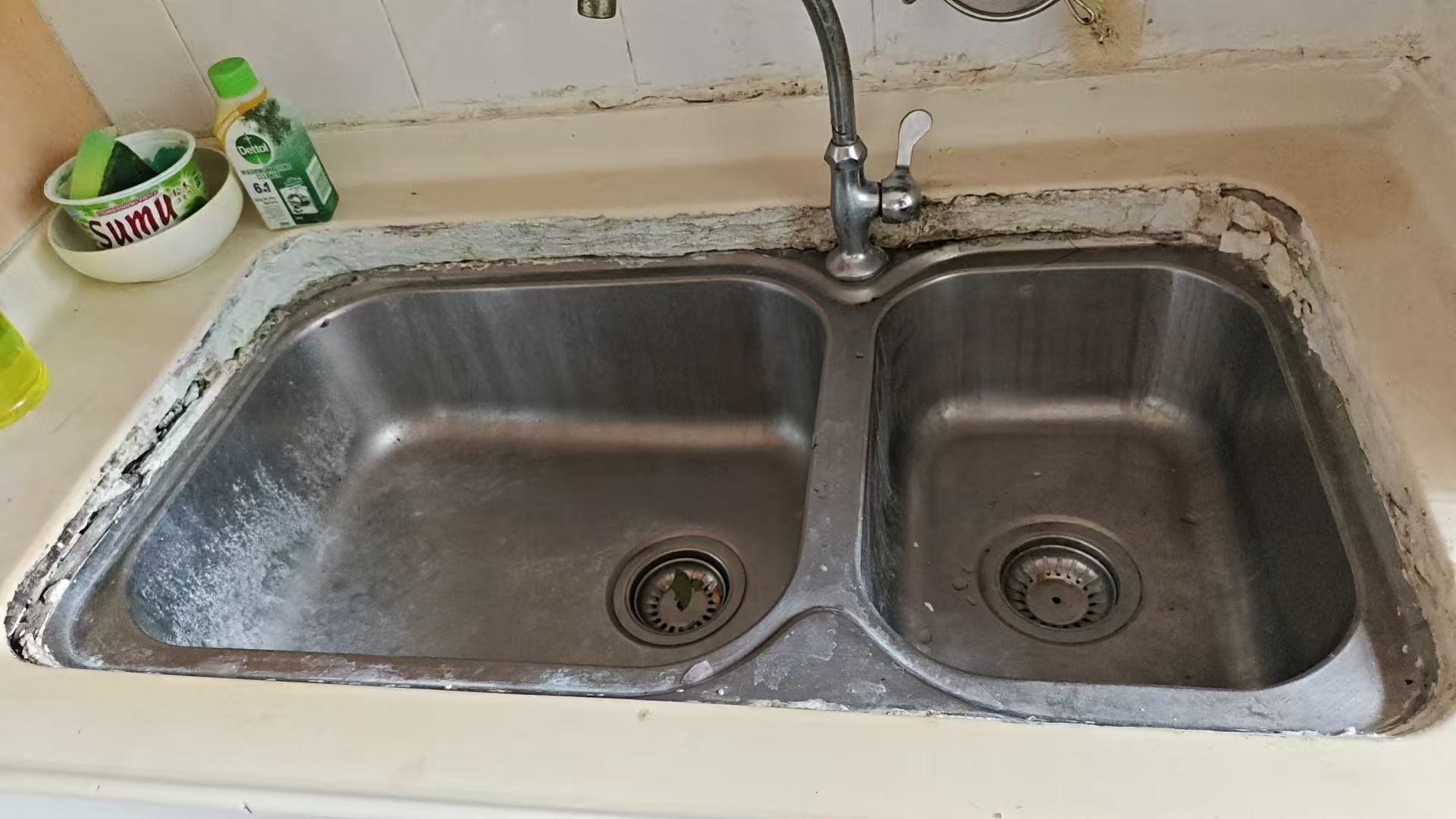
Real photos and short clips help us confirm access, measurements, materials and whether a site visit is needed before quoting this renovation work.
Photo reference
Compare real site condition, access points and visible constraints before booking the next step.
Send a wide room view, close-up issue photos and the full address so the quotation can be checked faster.
Renovation Across Simpang
FixMove covers the whole of Simpang — including Pulau Seletar, Simpang North, Simpang South, Tanjong Irau. Older HDB blocks and newer condos sit side by side here, so unit access and servicing needs differ across the estate.
Share your block and nearest landmark when you WhatsApp us for a faster slot.
Postal district: District 26 (Upper Thomson, Springleaf)
Neighbourhoods covered: Pulau Seletar, Simpang North, Simpang South, Tanjong Irau
Simpang homes: what local housing means for a service visit
Simpang sits in Singapore's North Region near the Sembawang and Seletar coastline, spanning Pulau Seletar, Simpang North, Simpang South and Tanjong Irau. It is one of the island's least built-up planning areas: large stretches remain reserved land, coastal scrub and future-development plots, so the resident base today is small and scattered rather than a dense town grid.
Because there is no established MRT or large HDB cluster here yet, much of the lived-in housing leans toward low-rise and landed-style properties, scattered units and pockets close to the Sembawang and Springleaf fringes. Addressing falls under District 26 alongside Upper Thomson and Springleaf, which can sit some distance from the dwelling itself, so confirming the exact block or lot before a visit matters.
Access here is shaped by open, low-traffic roads and outlying plots rather than tight HDB carparks. The flip side is that some addresses sit off main routes, near greenery or coastal land, and signage can be sparse. Sharing a clear pin, gate details and the nearest landmark helps the visiting tradesperson reach the right door without circling.
Confirm the precise neighbourhood (Pulau Seletar, Simpang North, Simpang South or Tanjong Irau) and a map pin, as plots here can be spread out and lightly signposted.
For landed or low-rise homes, note gate access, the number of floors and how many rooms or units need attention so your technician arrives suitably equipped.
Parking is usually open rather than multi-storey, but some addresses are off main roads; flag the access road and any private driveway in advance.
Expect a mix of building ages and fittings across scattered properties, so mention whether the home is older or newer when describing the issue.
With limited public transport into the area, allow a slightly wider arrival window for the visiting tradesperson and keep a contact number reachable on site.